Before I was not acquainted with the work of Dumont. With the need to work for a living and the need to sleep at times, some, maybe even essential, features remain unobserved. However, now I was told that Dumont might be my cup of tea. So I gave it a try.
A rich family, the van Peteghems, industrialists as we learn later, is spending their usual summer holidays in the north at the Pas de Calais in a monstrous palace in Egyptian style. All men have curious tics and deficiencies. The women have on generally hysterical, always at the verge of a nervous breakdown. We are in the heyday of psychoanalysis after all. The only halfway normal acting person is Billie, an androgynous person. The rich enjoy again the picturesque poverty around them.
The fishermen are represented by the family Brufort (brutal force). They make a modest living from collecting mussels, maintaining a ferry service over the bay. They also enhance their diet by random killings of tourists.
Enter police men investigating the mysterious disappearing. They are a blend of Dupond and Dupont from Tin-Tin and Laurel&Hardy. Let me start with them. Is it really funny to put a fat man in too small clothes? Is it really funny to see the fat man stumbling over things, falling on his butt and not being able to get up again by his own means? I think not. Their level of incompetence was somehow matched by the ignorant inspector in L'inconnu du lac from 2013. This came to my mid, because in both films the disappeared people are not really missing
The van Petteghems are a bunch of eccentrics, to put it mildly. We are informed that they are the product of very long inbreeding. They are grotesque, they are ridiculous, they are exaggerated - but I don't see them as funny.
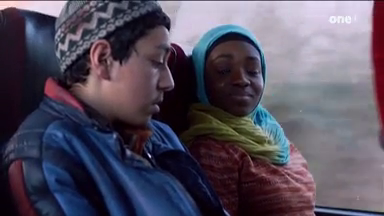
When I saw the trailer, I thought of Bienvenue chez les Ch'tis, maybe in an arthouse edition. I think the Bruforts are talking the local dialect, maybe they also have a speech impediment. My French is notvgood enough to decide which. However, the snobbish Peteghems occasionally make fun of their way of speaking. Viewing a beautiful female neck can, however, also trigger the animal nature in Ma Loute. The affair between Ma Loute and Bettie gets a bit like Beauty and the Beast. While such a romance can work in a fairy tale, it is impossible in this dysfunctional world. Actually the scenes between Ma Loute and Betty were the only scenes which I enjoyed. But it just doesn't work for as a comedy, let alone a funny one. Dumont tries very hard, though. At least it seems that they had fun making this movie, but I as viewer asked myself less than halfway through this movie: isn't it soon going to end.
3/10 (mainly because of some beautiful cinematography).

A rich family, the van Peteghems, industrialists as we learn later, is spending their usual summer holidays in the north at the Pas de Calais in a monstrous palace in Egyptian style. All men have curious tics and deficiencies. The women have on generally hysterical, always at the verge of a nervous breakdown. We are in the heyday of psychoanalysis after all. The only halfway normal acting person is Billie, an androgynous person. The rich enjoy again the picturesque poverty around them.
The fishermen are represented by the family Brufort (brutal force). They make a modest living from collecting mussels, maintaining a ferry service over the bay. They also enhance their diet by random killings of tourists.
Enter police men investigating the mysterious disappearing. They are a blend of Dupond and Dupont from Tin-Tin and Laurel&Hardy. Let me start with them. Is it really funny to put a fat man in too small clothes? Is it really funny to see the fat man stumbling over things, falling on his butt and not being able to get up again by his own means? I think not. Their level of incompetence was somehow matched by the ignorant inspector in L'inconnu du lac from 2013. This came to my mid, because in both films the disappeared people are not really missing
The van Petteghems are a bunch of eccentrics, to put it mildly. We are informed that they are the product of very long inbreeding. They are grotesque, they are ridiculous, they are exaggerated - but I don't see them as funny.
When I saw the trailer, I thought of Bienvenue chez les Ch'tis, maybe in an arthouse edition. I think the Bruforts are talking the local dialect, maybe they also have a speech impediment. My French is notvgood enough to decide which. However, the snobbish Peteghems occasionally make fun of their way of speaking. Viewing a beautiful female neck can, however, also trigger the animal nature in Ma Loute. The affair between Ma Loute and Bettie gets a bit like Beauty and the Beast. While such a romance can work in a fairy tale, it is impossible in this dysfunctional world. Actually the scenes between Ma Loute and Betty were the only scenes which I enjoyed. But it just doesn't work for as a comedy, let alone a funny one. Dumont tries very hard, though. At least it seems that they had fun making this movie, but I as viewer asked myself less than halfway through this movie: isn't it soon going to end.
3/10 (mainly because of some beautiful cinematography).